
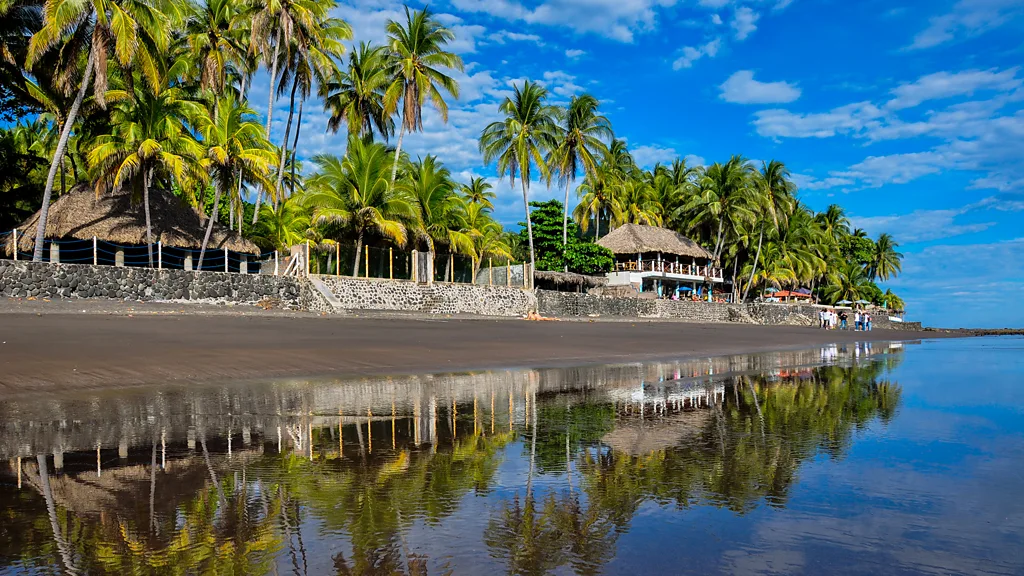
In 2019, a local crypto project in El Salvador set out to pioneer the world’s first Bitcoin-based local economy. This initiative gained traction nationally, captured global interest, and transformed the lives of young residents. Today, in the serene coastal town of El Zonte, now affectionately known as “Bitcoin Beach,” travelers have the opportunity to immerse themselves in this groundbreaking experiment. The journey to El Zonte is unassuming—a simple turn off the road, down a narrow street flanked by lush greenery. A sign points towards the beach, where only a few locals and surfers can be seen basking in the sun’s warm glow. El Zonte, a quaint fishing village on El Salvador’s Pacific coast, famous for its inviting waters and powerful waves, has emerged as a pioneering hub for cryptocurrency adoption, earning the moniker Bitcoin Beach. Curiosity piqued, I ventured into this world of a “sustainable Bitcoin economy,” wondering about its practicality. Could I truly purchase everyday items like a hotel room, a meal, or even a bottle of water using Bitcoin? My doubts dissolved at a weathered beach bar, where I effortlessly paid for lagers with my phone, seamlessly integrating into the experiment unfolding before me. For travelers, El Zonte offers more than just pristine beaches and exceptional surf; it serves as a living laboratory of social innovation, showcasing how locals navigate this novel economic landscape. Additionally, utilizing Bitcoin can shield users from currency exchange losses, especially for those already holding the digital currency. The genesis of El Zonte’s Bitcoin venture traces back to 2019, spearheaded by economist Mike Peterson and community leader Roman Martínez. Initially designed to engage youth and deter them from gang violence, the project evolved into a lifeline for the entire community during the pandemic-induced job scarcity. El Salvador’s unique monetary landscape, having adopted the US dollar in 2001, created an ideal environment for Bitcoin integration. With a significant unbanked population lacking traditional financial access, introducing a payment network like Bitcoin offered newfound financial inclusivity. Among the project’s beneficiaries is Brian Flores, a 23-year-old local whose life was transformed by Bitcoin Beach. From humble beginnings, he now educates fellow community members, particularly the youth, on Bitcoin’s usage, paving the way for new opportunities. The initiative’s success caught the attention of President Nayib Bukele, leading to El Salvador becoming the first country to adopt Bitcoin as legal tender in 2021—a move inspired by Bitcoin Beach. Despite subsequent policy reversals, El Zonte continues to embrace Bitcoin, with the initiative expanding across the nation and inspiring similar projects globally. Strolling through El Zonte reveals a landscape adorned with Bitcoin branding, showcasing widespread acceptance of the digital currency. Whether interacting with locals, dining at restaurants, or booking accommodations, Bitcoin has seamlessly integrated into everyday transactions. The allure of El Zonte transcends Bitcoin, drawing surfers and tourists seeking adventure and relaxation. As Bitcoin gains momentum, attracting visitors and shaping El Salvador’s tourism sector, the town stands as a symbol of innovation and resilience in a rapidly evolving financial landscape. In the midst of El Zonte’s transformation, Bitcoin remains a beacon of change, symbolizing El Salvador’s efforts to redefine itself both domestically and on the global stage. As twilight descended on the beach, I made one final Bitcoin purchase—a beer—immersing myself in the rhythmic melody of waves crashing against the shore, a testament to the seamless synergy between tradition and modernity in El Zonte.
In the quiet surf town of El Zonte, a grassroots crypto project has transformed the local economy, drawing global attention and inspiring national policy in El Salvador, now known as “Bitcoin Beach.”