
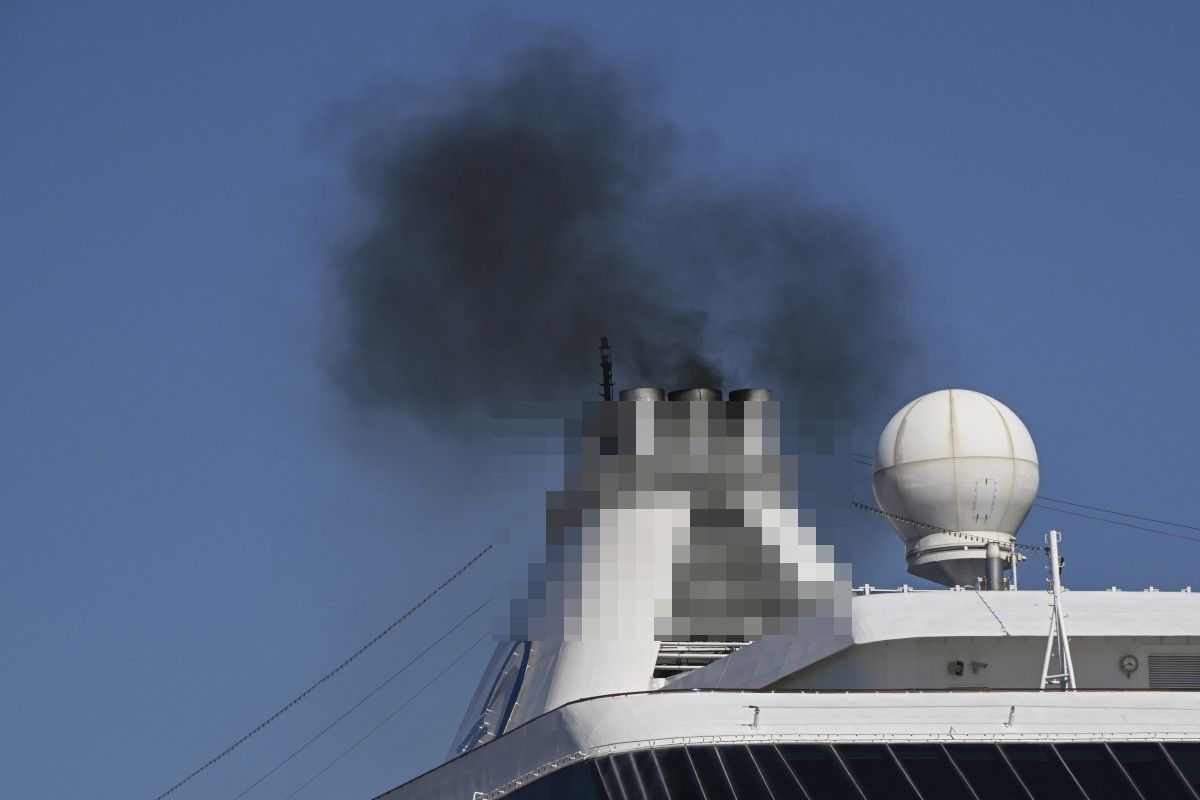

Ecotourism has made a splash in the cruise industry with Royal Caribbean introducing its most sustainable ship yet. This innovative ship features a roller coaster on board and boasts a smaller environmental footprint, demonstrating the company’s commitment to green initiatives. Setting a new standard, it is the first cruise ship in America to be powered by liquid natural gas, a move that resonates well with 50% of US citizens who view cruising as environmentally friendly. The industry is witnessing a surge in popularity, transitioning from an exclusive pursuit to a mainstream holiday choice.Despite claims of increased environmental consciousness among cruise companies, the reality paints a different picture. The evolution of cruise ships from sleek, speedy vessels like the Victoria Louise to today’s behemoths reflects a shift towards luxury and comfort, catering to a growing market seeking Caribbean escapades. However, this growth comes at a cost, with larger ships consuming more energy and generating substantial waste.The environmental impact of cruise ships is staggering, with emissions surpassing those of airplanes and contributing significantly to air and ocean pollution. These floating resorts emit excessive CO2, particulate matter, sulphur oxides, and contribute to ocean waste through oil, sewage, and plastic dumping. The noise and light pollution from cruise ships disrupt marine ecosystems, displacing wildlife and affecting migration patterns.While some measures can mitigate the environmental impact of cruise ships, such as reducing speed, using cleaner fuel alternatives, and implementing shore power connections, many companies have been slow to adopt these practices. Royal Caribbean’s efforts to introduce green technologies on the Icon of the Seas are commendable, but challenges like supplier issues and limited port infrastructure hinder full implementation.In response to the growing concerns, several European port cities have taken decisive action by restricting or outright banning cruise ships from their ports. Barcelona and Amsterdam are among the cities leading this trend, following Venice’s success in drastically reducing emissions through a ban on large cruise ships. These measures highlight the urgent need for the industry to prioritize sustainability and environmental responsibility to ensure a cleaner future for cruise tourism.