
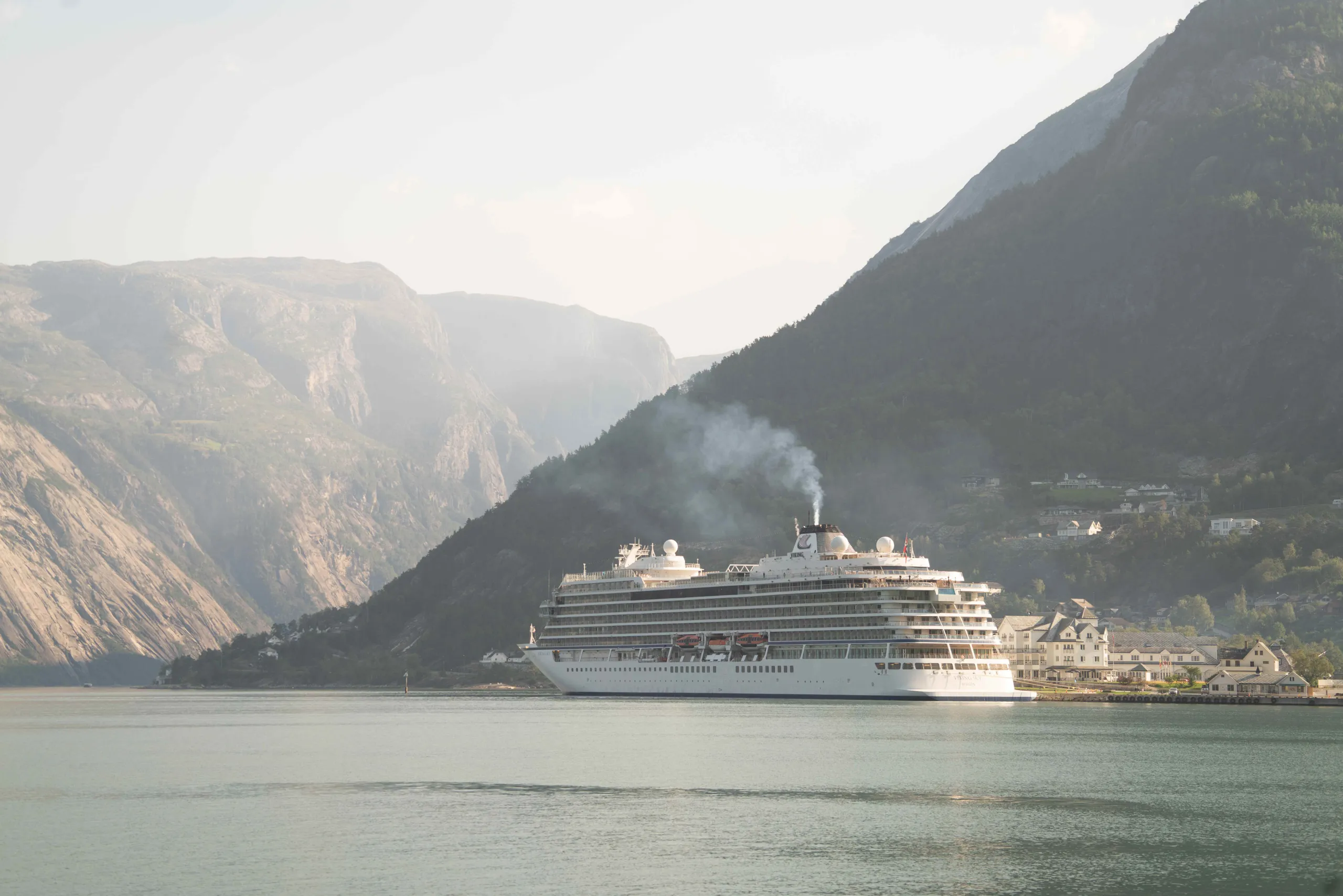
Ecotourism has made waves in the cruise industry, with Royal Caribbean unveiling its most sustainable ship to date. The ship boasts a unique feature – a roller coaster on board – all while maintaining a smaller environmental footprint. The company is pushing the boundaries with its green initiatives, becoming the first cruise ship in America to be powered by liquid natural gas. This shift towards sustainability has resonated with 50% of US citizens who now view cruising as environmentally friendly, leading to a surge in business.What was once considered an exclusive leisure activity has now become mainstream, comparable to popular package holidays. However, despite claims from many cruise companies about their increasing climate-friendly practices, the reality often paints a different picture. So, how did cruise ships evolve into such a threat to the planet?The world’s largest cruise ship, Royal Caribbean’s icon of the seas, epitomizes the modern cruise ship design – massive, boxy, and wide, resembling more of a floating resort than a traditional vessel. Contrast this with the Princess in Victoria Louise, the first purpose-built cruise ship, which had a sleek and streamlined profile designed for speed during transatlantic voyages.As air travel became more affordable, cruise ships shifted focus to warmer destinations like the Caribbean, prioritizing luxury and comfort to attract affluent travelers. This led to the evolution of ships with extravagant amenities like water parks, indoor waterfalls, entertainment shows, and numerous dining options. The rise in popularity of cruises, accompanied by an increase in passengers and facilities, has resulted in higher energy consumption and waste production.The environmental impact of traditional marine fuel-powered cruise ships is significant, emitting approximately four times more CO2 per passenger than flying and releasing pollutants equivalent to a million cars daily. Moreover, cruise ships are responsible for a substantial amount of ocean waste, contributing to pollution from oil, sewage, plastics, and harmful chemicals. The noise and light emissions from these ships also disrupt marine ecosystems.While there are measures that cruise companies can adopt to mitigate their impact, such as reducing speed, utilizing cleaner energy sources like fuel cells or renewable hydrogen, and implementing electrical connections in ports, many have been slow to embrace these changes. Royal Caribbean, despite touting its green innovations, faces challenges with implementing certain eco-friendly technologies and limited shore power infrastructure.In response to the environmental concerns posed by cruise ships, some port cities in Europe have taken decisive action, restricting or even banning cruise ships from docking altogether. Cities like Barcelona and Amsterdam have joined the ban trend, following in the footsteps of Venice, which has significantly reduced its sulphur emissions after imposing restrictions on large cruise ships in 2021.
