
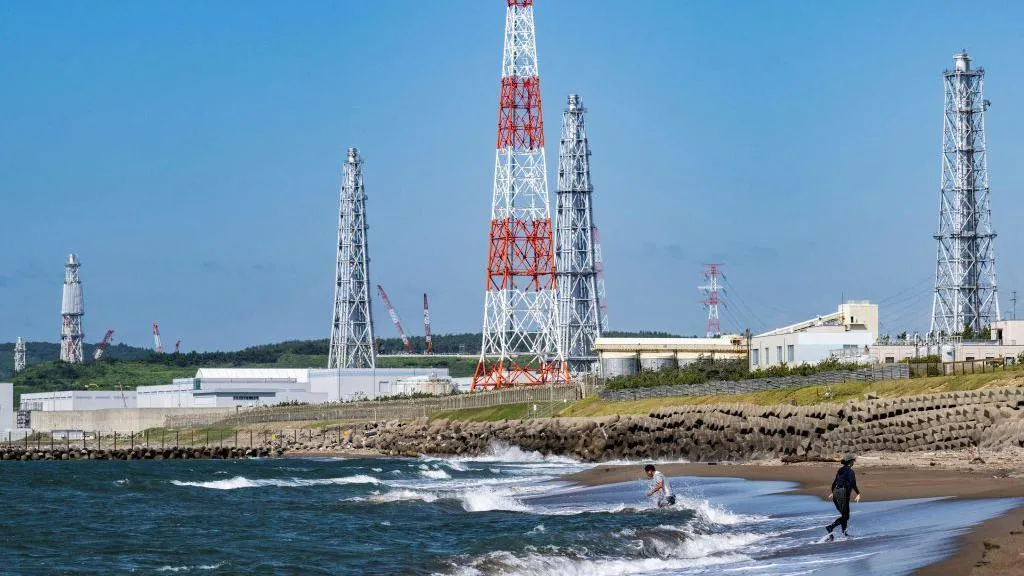
Japan has resumed operations at the world’s largest nuclear power plant for the first time since the 2011 Fukushima disaster led to the closure of all reactors in the country. The decision to restart reactor number 6 at the Kashiwazaki-Kariwa plant, located northwest of Tokyo, was made despite concerns from local residents about safety. The restart was delayed by a day due to an alarm malfunction and is set to begin commercial operations next month. Following the Fukushima catastrophe where all 54 reactors in Japan were shut down after a devastating earthquake and tsunami triggered a meltdown, the country has been working to revive its nuclear power sector. While this recent restart marks progress in Japan’s nuclear power reboot, there is still a long way to go. The seventh reactor at Kashiwazaki-Kariwa is not expected to be operational until 2030, and the fate of the other five reactors remains uncertain. Japan’s reliance on nuclear power, which once accounted for nearly 30% of its electricity, was significantly impacted by the Fukushima incident. The country now aims to have nuclear power provide 20% of its electricity needs by 2040, down from a previous goal of reaching 50% by 2030. As Japan navigates its nuclear power revival, challenges persist. Rising costs of operating reactors, new safety regulations, and public mistrust continue to hinder progress. The government faces tough decisions on how to finance nuclear power without burdening consumers or compromising on safety. Despite efforts to enhance safety measures at nuclear plants like Kashiwazaki-Kariwa, concerns linger among the public. Transparency issues and scandals within the industry have fueled skepticism and opposition to the restart of nuclear facilities. While Japan prepares for potential disasters by implementing stricter safety standards, questions remain about whether these measures are sufficient to withstand future threats such as rising sea levels and more intense natural disasters. As Japan grapples with reviving its nuclear power sector amid public apprehension and evolving energy needs, the path forward remains uncertain, with the balance between energy security, safety, and sustainability hanging in the balance.
Japan has resumed operations at the Kashiwazaki-Kariwa plant, the world’s largest nuclear facility, for the first time since the 2011 Fukushima disaster, despite local safety concerns and public skepticism.