
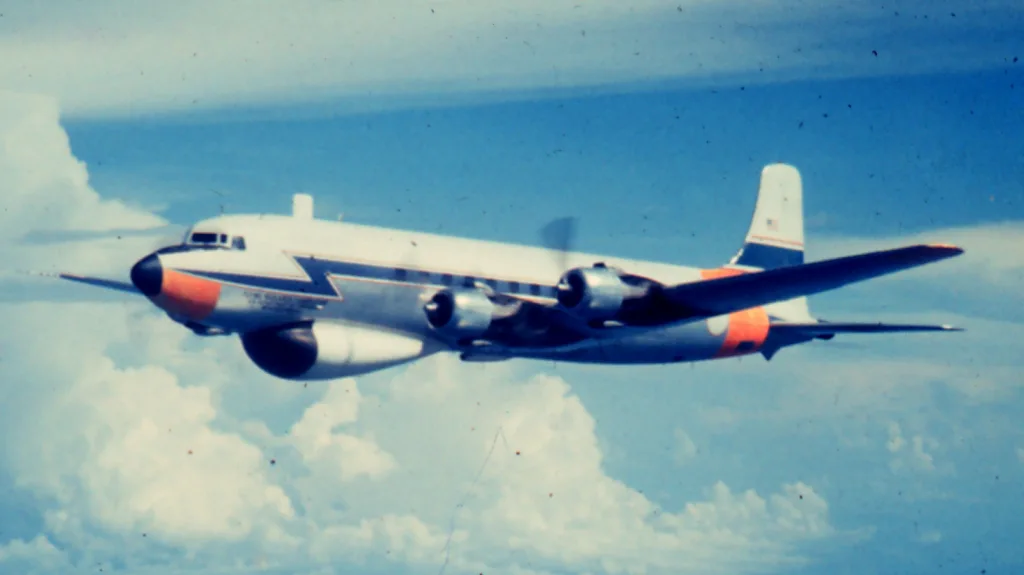
Decades of intrigue and debate surrounded a bold initiative to manipulate hurricanes. What lessons were learned, and could this project resurface? In the 1960s, Joe Golden, a grad student, fearlessly ventured into the heart of hurricanes, enduring fierce winds and violent storms in pursuit of vital data. His experiences, along with those of meteorologist Hugh Willoughby, shed light on the risks and thrills of studying these powerful natural phenomena. During the 20-year span of Project Stormfury, from 1962 to 1983, military and weather service crews embarked on missions to modify hurricanes by releasing a silver compound into the storm’s core. The goal was to disrupt the violent forces within the hurricane, potentially reducing its destructive impact. Decades later, Stormfury veterans reflect on the project’s contributions to scientific understanding and life-saving advancements. However, the endeavor’s controversial nature has sparked skepticism and conspiracy theories, leaving lingering questions about its legacy. The origins of weather modification projects trace back to post-World War II optimism and the era of nuclear advancements. Researchers explored methods like cloud seeding to control weather patterns, driven by a belief in science’s boundless potential. Project Cirrus, an early experiment in cloud seeding, laid the foundation for Stormfury’s ambitious goals of hurricane manipulation. Despite initial successes, challenges arose, including public fears and unforeseen consequences, leading to the eventual end of Stormfury in 1971. Critics questioned the scientific basis of Stormfury as research revealed complexities in hurricane behavior and structure. The project’s military significance and limitations in understanding hurricanes highlighted the fine line between innovation and uncertainty in weather modification. Though Stormfury’s ultimate impact remains debated, its legacy lives on in improved hurricane forecasting models and technological advancements. The project’s lessons continue to shape meteorological research and inspire ongoing efforts to understand and mitigate the impact of natural disasters. As discussions persist about the feasibility of hurricane modification, the legacy of Project Stormfury serves as a reminder of the delicate balance between human intervention and the immense power of nature.
In the 1960s, bold attempts to alter hurricanes sparked intrigue and controversy. Project Stormfury’s legacy continues to influence meteorological research and discussions on human intervention in natural phenomena.