
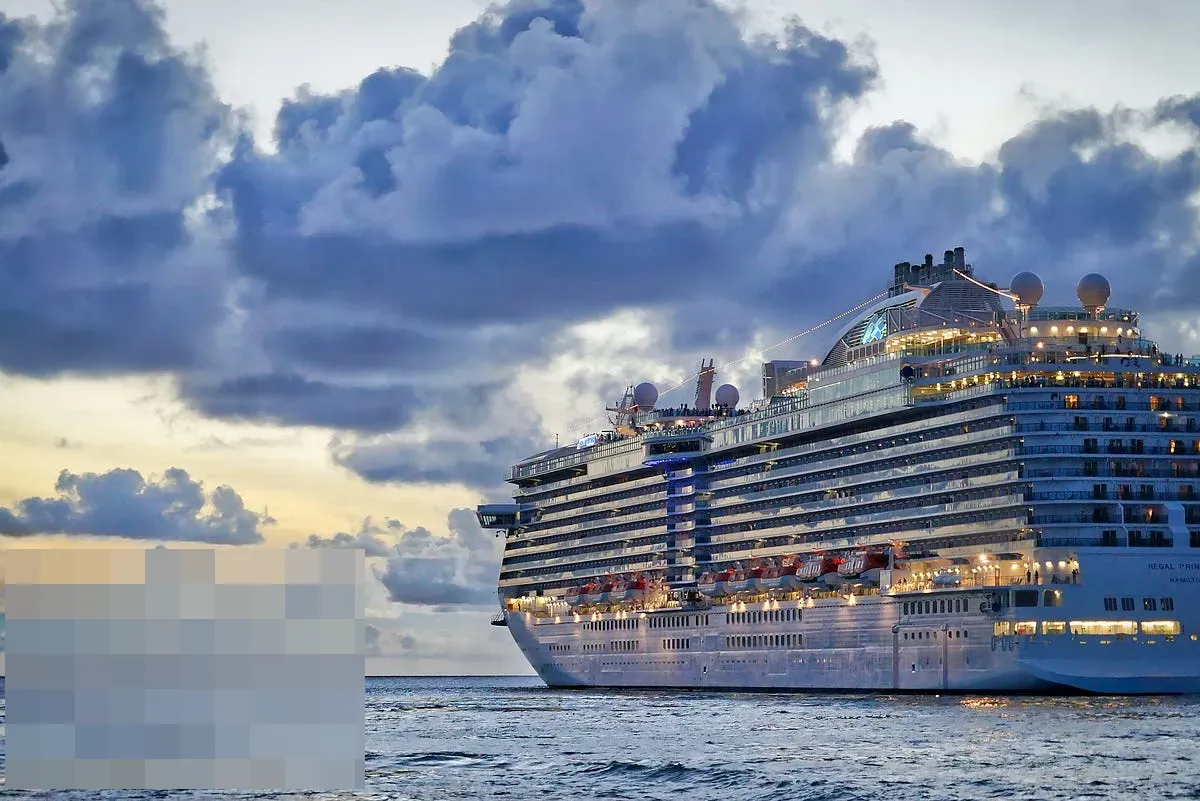
The cruise industry is sailing into the world of ecotourism with Royal Caribbean unveiling its most sustainable ship to date. The ship features a unique onboard roller coaster and is designed with a reduced environmental footprint, showcasing the company’s commitment to green innovations. Powered by liquid natural gas, the vessel is setting new standards for eco-friendly cruising in America, resonating with the growing belief among 50% of US citizens that cruising can be environmentally friendly, leading to a surge in business.Despite the industry’s efforts to portray itself as more climate-conscious, the reality paints a different picture. Cruise ships have evolved from sleek and speedy vessels like the Princess Victoria Louise, built for transatlantic crossings, to today’s behemoths resembling floating resorts. These mega ships prioritize luxury and entertainment to attract passengers seeking a unique vacation experience.However, the rapid expansion of cruise tourism has come at a cost. The energy demands and waste production of these massive vessels are staggering, with pollution levels surpassing those of air travel. The environmental impact of cruise ships includes significant CO2 emissions, particulate matter, sulphur oxides, marine waste, and noise pollution, posing threats to marine life and ecosystems.Efforts to mitigate these impacts include reducing ship speeds, implementing cleaner energy sources like fuel cells and renewable fuels, and utilizing shore power connections while docked. Despite some progress, many cruise companies have been slow to adopt these measures, opting for solutions like liquid natural gas that, while reducing CO2 emissions, may exacerbate greenhouse gas issues due to methane leaks.Royal Caribbean’s “icon of the seas” has been lauded for its green initiatives, such as advanced water treatment technology. However, challenges remain, including delays in implementing fuel cell batteries and limited port compatibility for shore power connections. Some European port cities have taken a proactive approach by restricting or banning cruise ships, leading to significant reductions in emissions and pollution levels.As the cruise industry navigates towards a more sustainable future, balancing the allure of luxury travel with environmental responsibility remains a critical challenge. The path to greener cruising requires concerted efforts from cruise lines, regulators, and consumers to ensure that voyages at sea leave a positive impact on the planet.
Royal Caribbean has unveiled its most eco-friendly ship, featuring a unique roller coaster and powered by liquid natural gas, marking a significant step towards sustainable cruising in response to growing environmental concerns.